
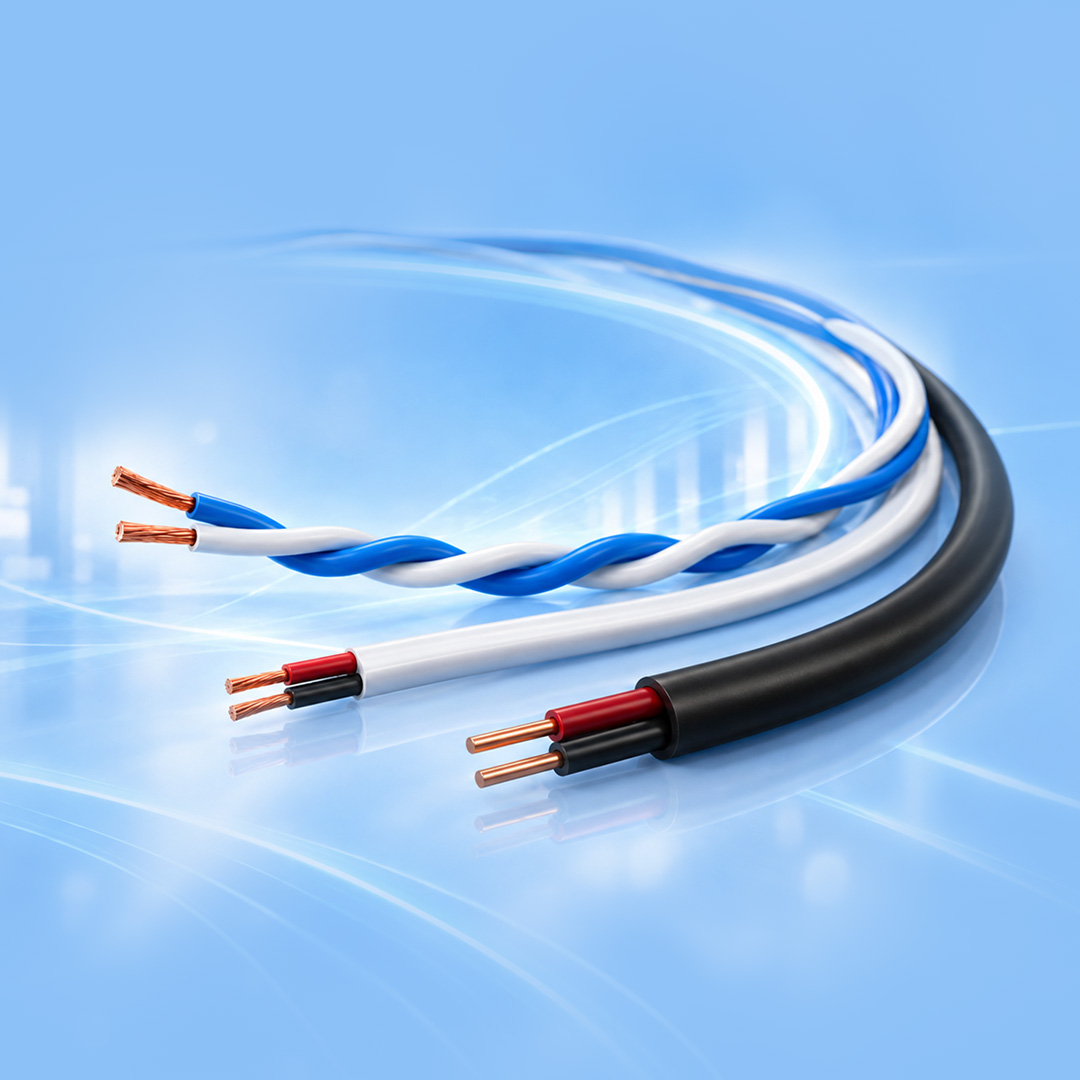
An overview of using existing two-conductor paths, twisted or untwisted, to carry IP video and PoE beyond the 100 m / 328 ft Ethernet limit.
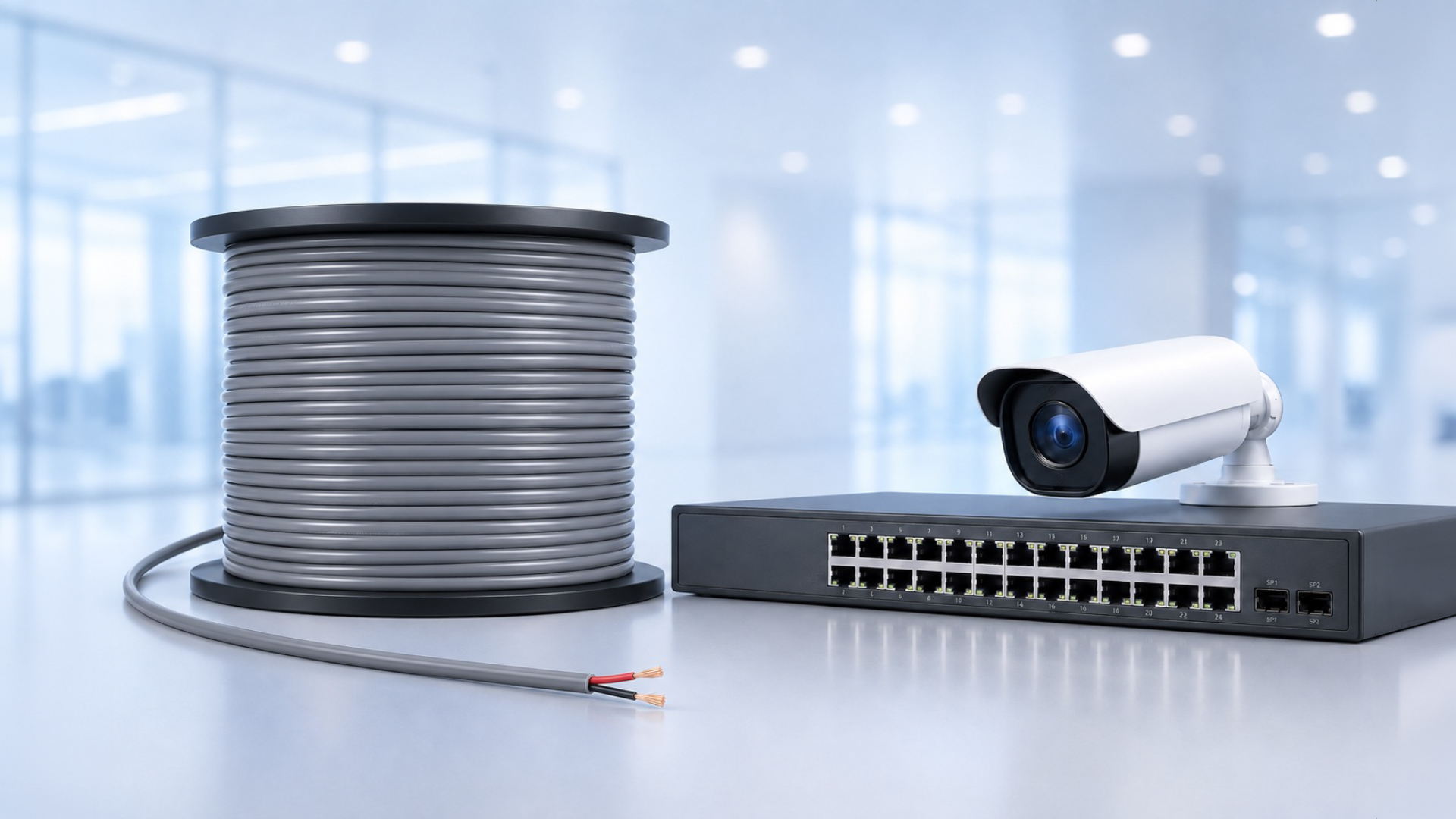
Many retrofit sites have only two conductors available and pulling new cable may be the biggest cost or very difficult.
Use a 2-Wire extender when:
Why elevators are a strong application:
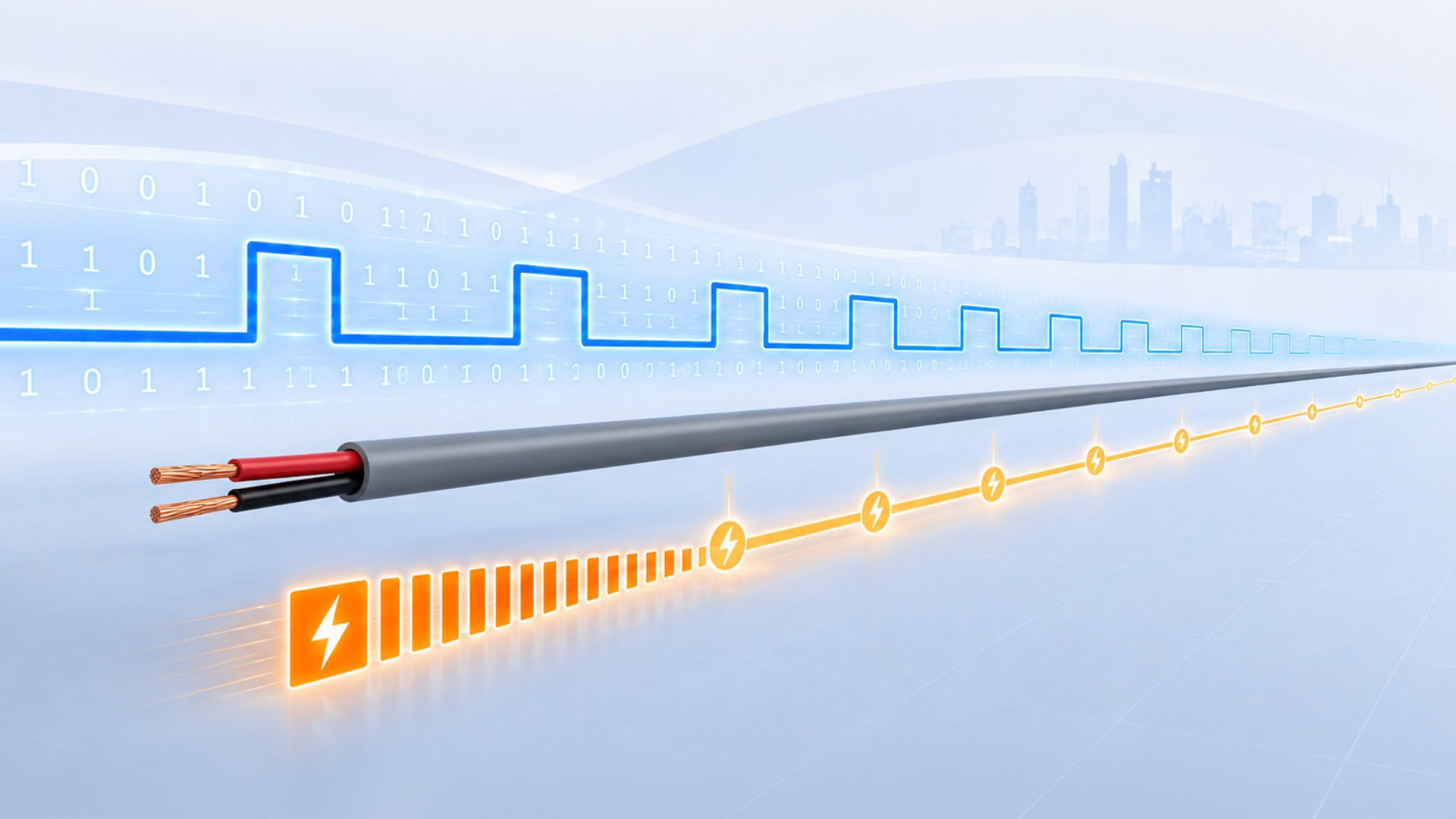
A long-distance 2-wire carries:
Ethernet data:
PoE power (802.3af/at)
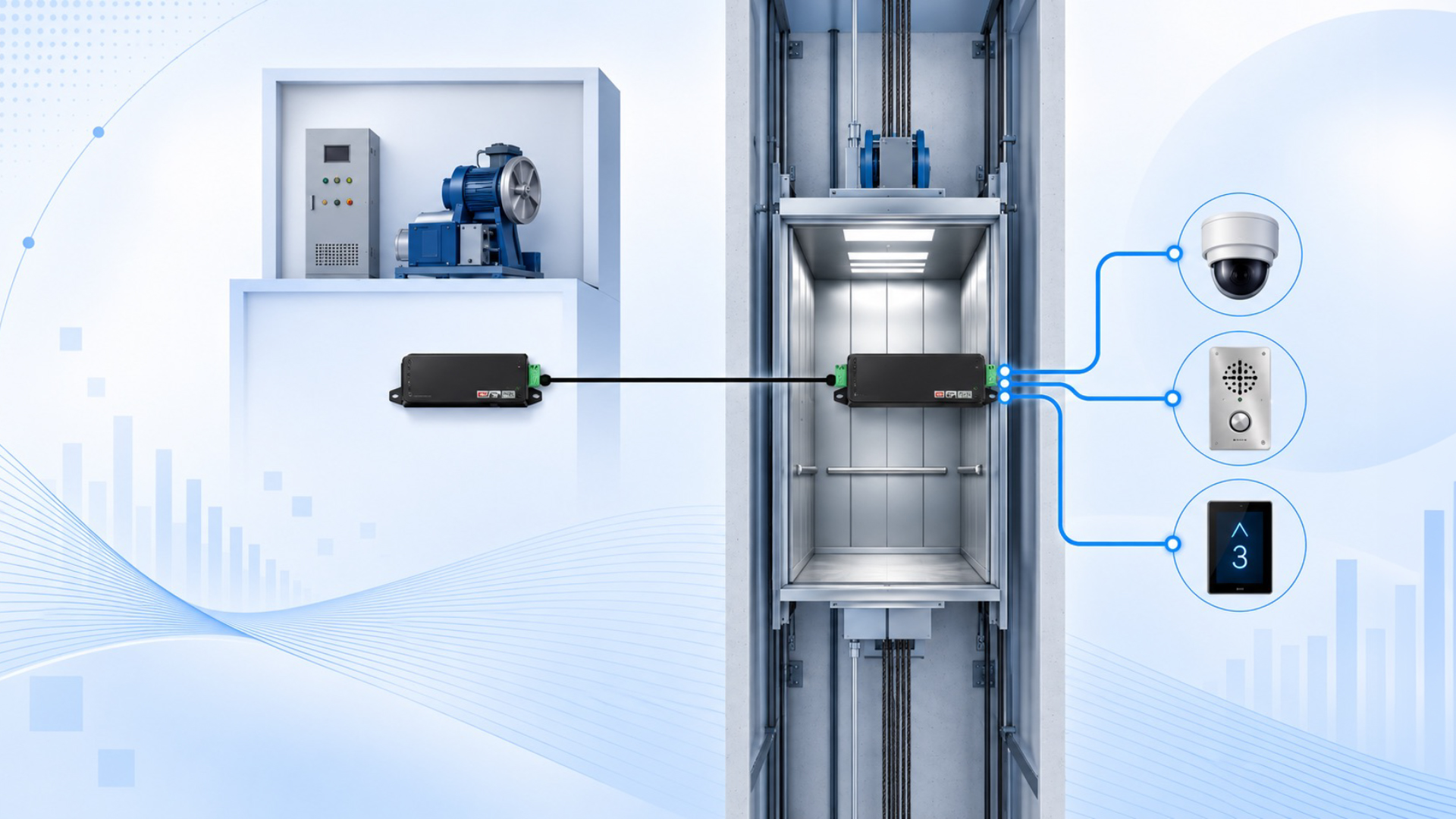
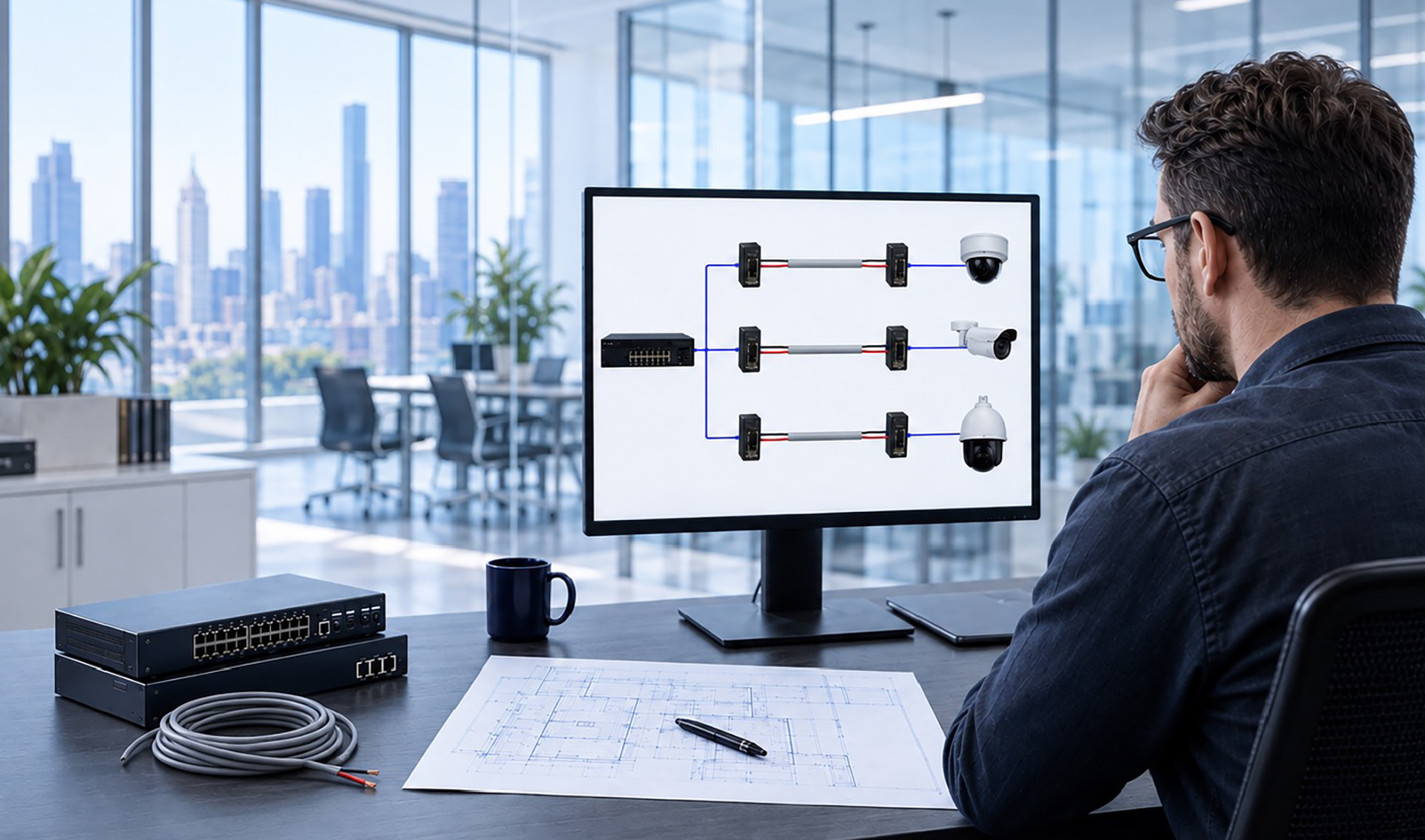
A 2-wire extender operates as a point-to-point link, with two endpoint units working together to carry Ethernet and PoE over an existing two-conductor run.

A typical performance of G.hn technology
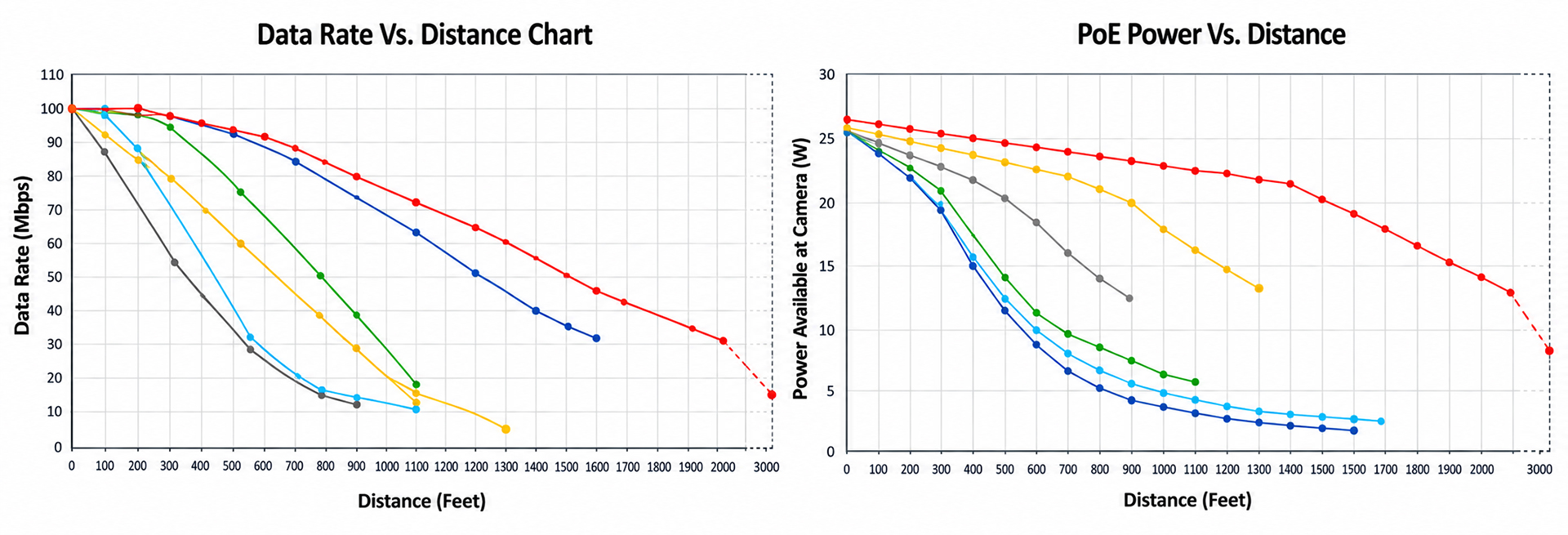
Actual performance is shaped by the cable path, device load, and installation environment:
Application
Elevator, alarm, emergency phone, gate, access control, or camera retrofit?
Wire path
Twisted, untwisted, flat, shielded, alarm, traveler, or other qualified two-conductor wiring?
Distance + speed
What data rate is required at the actual distance?
Power budget
How much power the remote device needs
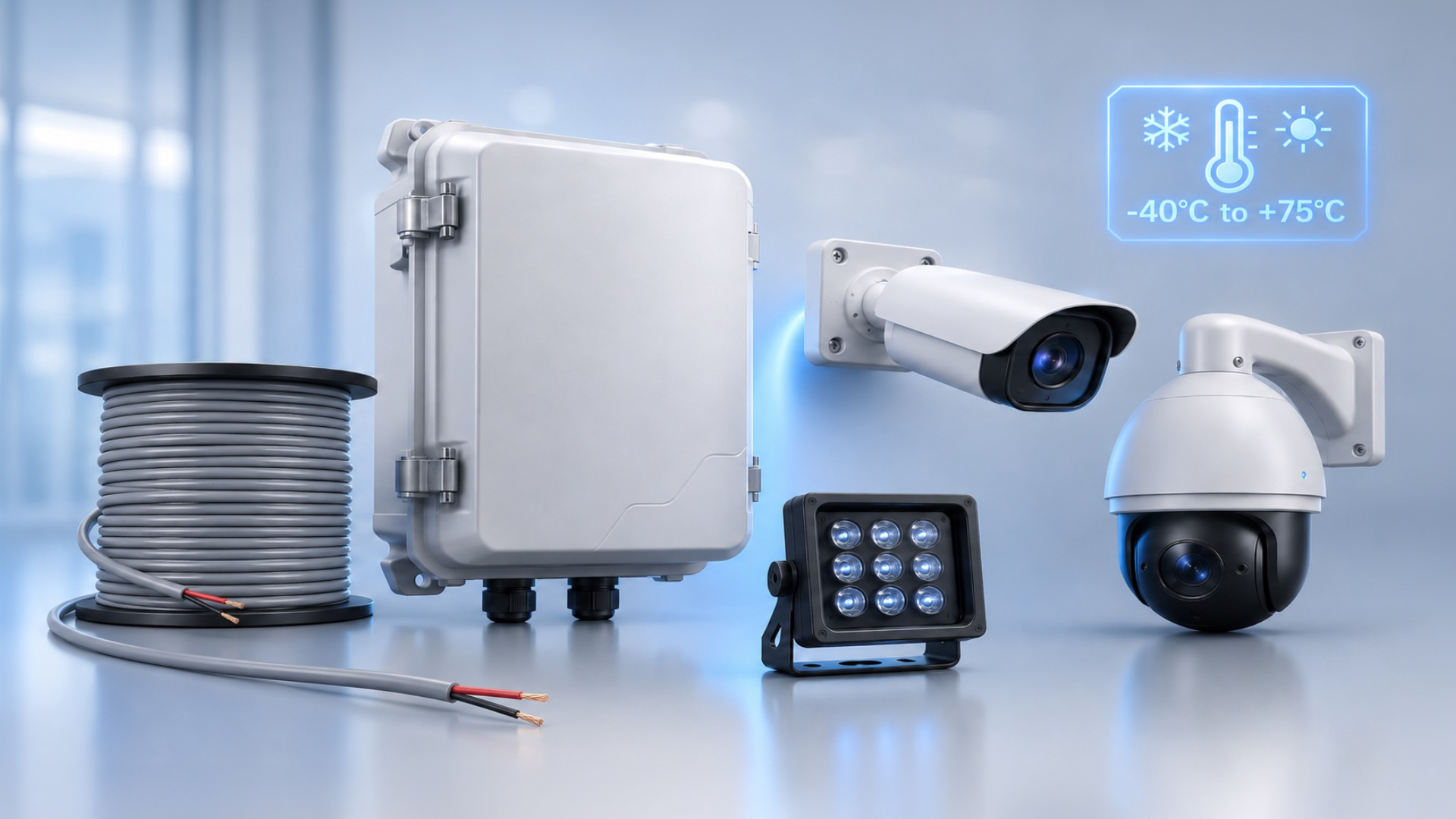
Environment
Is it rated for operation in the remote environment?
| Technology | Cable Type | Speed | Distance / Rate | Primary Applications |
| SPE | 1-pair UTP/STP | 10 Mb/s | 1 km @ 10 Mb/s | Sensors/actuators; robotics; building automation/APL. |
| VDSL2 | 1-pair Cat3/5 UTP | 200–300 Mb/s | 0.3/1/2 km: 300/100/25 Mb/s | Legacy LAN; IP cameras/APs; campus/floor retrofit. |
| G.fast | 1-pair phone wire | ~1 Gb/s | <300 m best; ~500 m reduced | Short-building/FTTB retrofit; high-speed copper. |
| G.hn | 2-wire phone/coax/power | ~2 Gb/s PHY | 100s m; some links ~1 km | MDU/hospitality; broadband/IP-camera retrofit. |
| G.SHDSL | 1-pair telecom wire | 5.7–15 Mb/s | Several km; 6+ km at low rate | SCADA/telemetry; rail/roadside; remote industry. |
| HomePlug | AC/DC power wiring | ~1–2 Gb/s PHY | ~300 m typical; wiring dependent | Home/light-commercial LAN; temporary IP/energy. |
Reach + Speed
Power + Reliability
Wire Compatibility
Plug & Play