
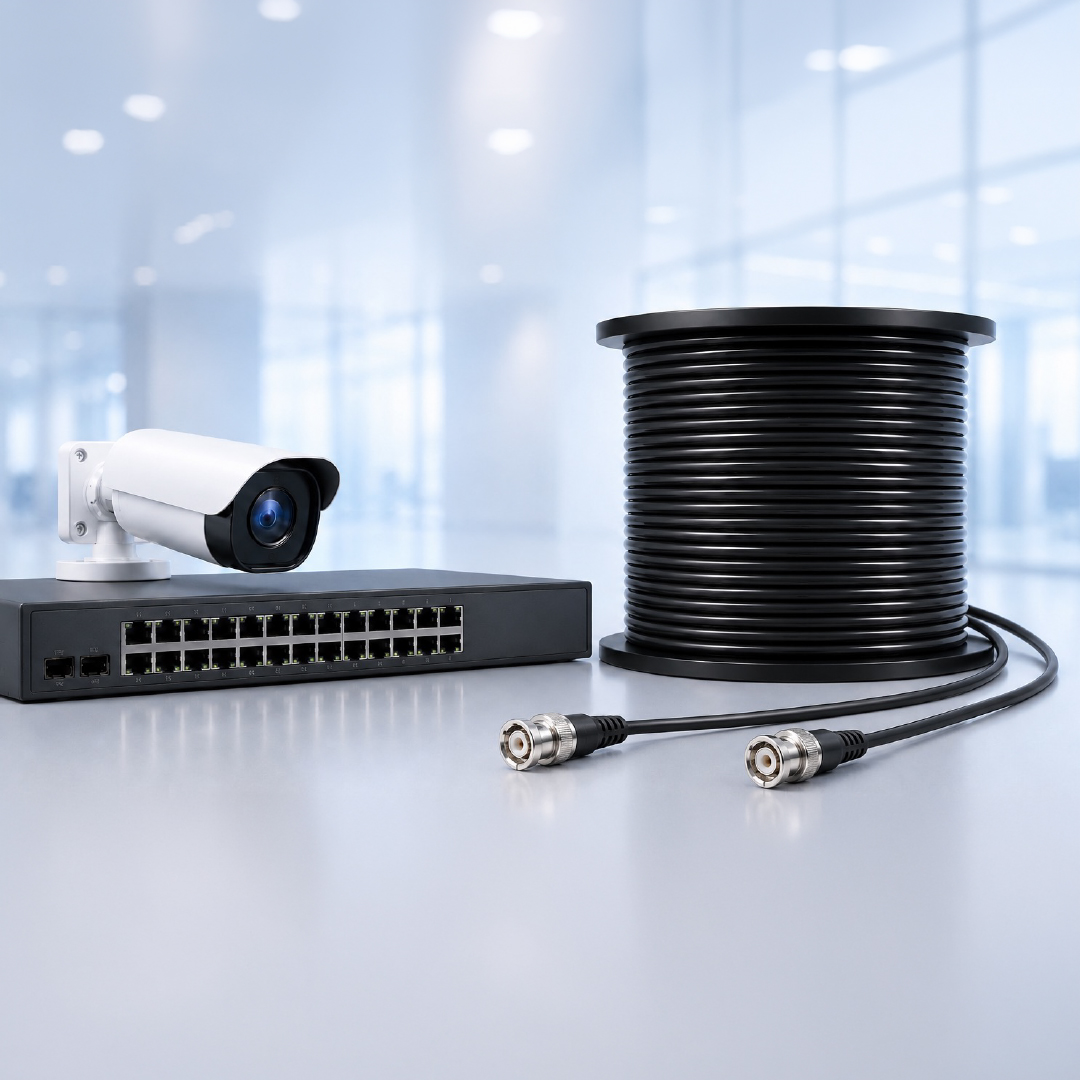
A practical overview of upgrading legacy Coax cables paths to carry IP video and PoE well beyond the standard 100m / 328ft. copper limit.
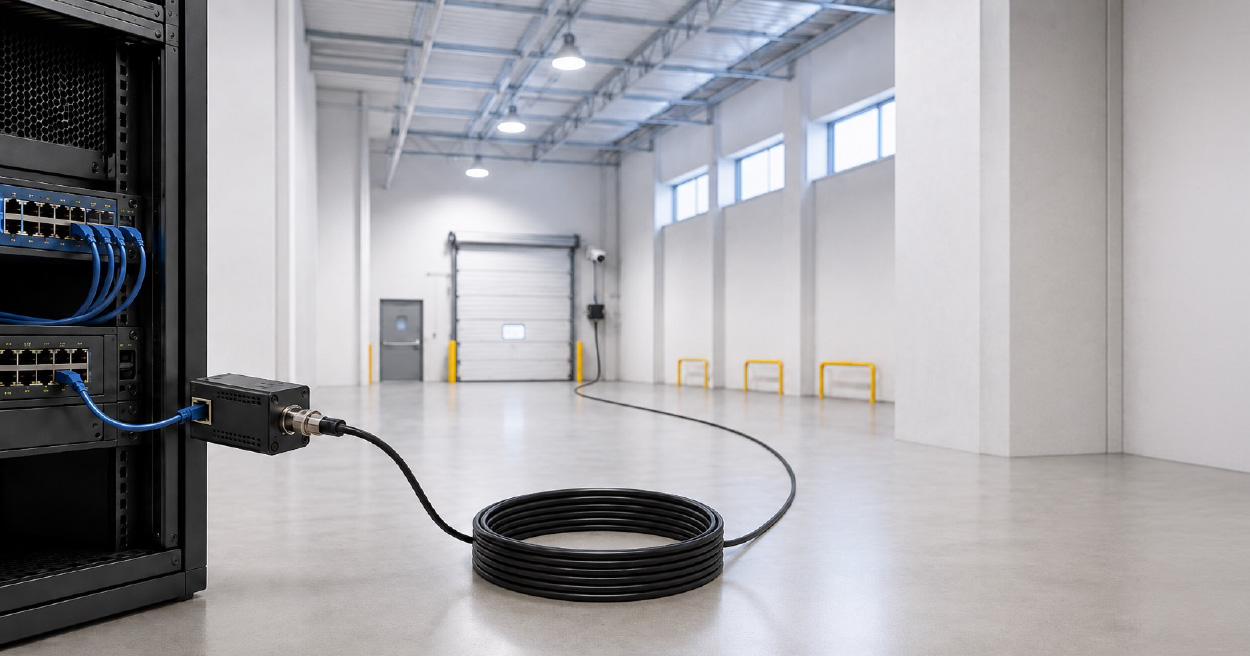
Retrofit projects often face access, labor, conduit, and downtime challenges.
Use Ethernet-over-coax when:
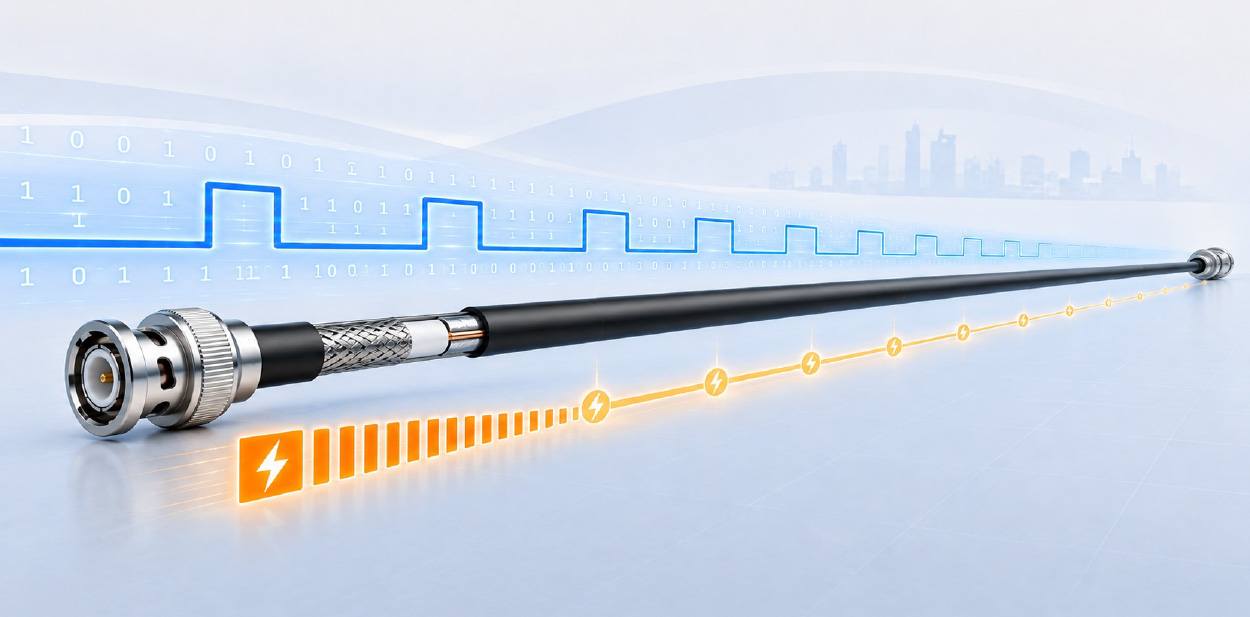
A long-distance Coax link can support:
Ethernet data:
PoE power (802.3af/at)
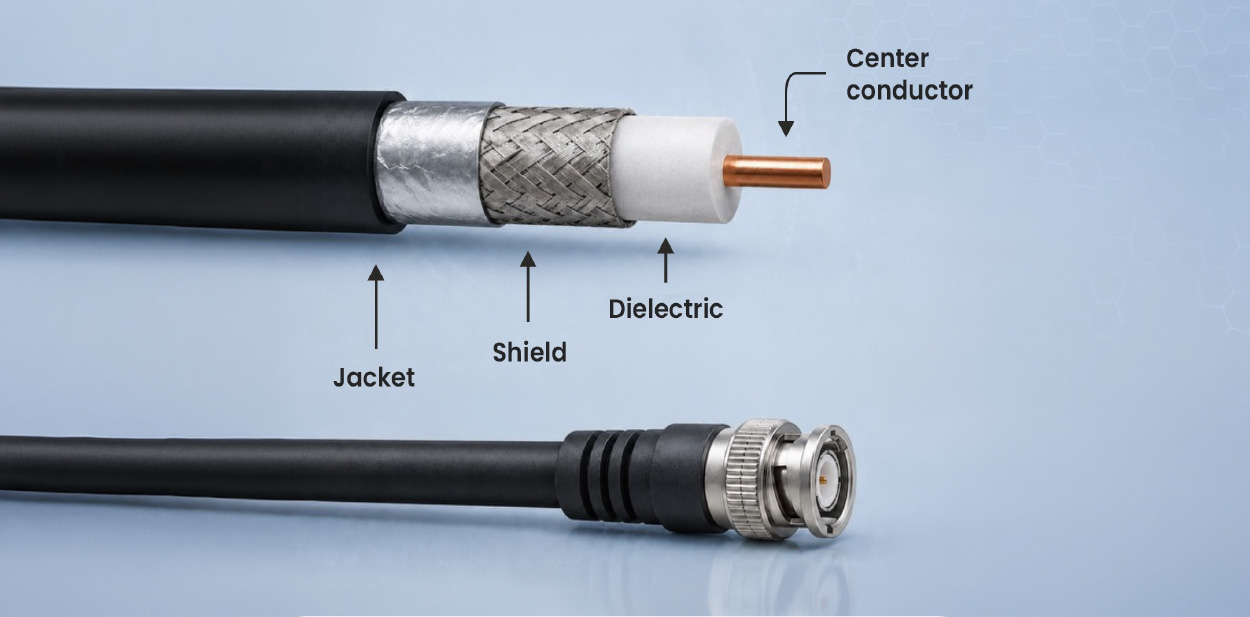
| Type | Typical Bandwidth | Relative resistance | Relevance to Extension |
| RG59 | Legacy CCTV Smallest common conductor | Highest | Common in older camera runs; inspect age, splices, and terminations |
| RG6 | CATV / newer runs Larger conductor; often better shield | Lower | Often better for longer runs; dual or quad shield versions are common |
| RG11 | Long trunk runs Largest 75 Ω coax; less flexible | Lowest | Best power margin and long reach; usually less common in CCTV retrofits |
An Ethernet-over-coax extender operates as a point-to-point link, with two endpoint units working together to carry Ethernet and PoE over Coax.

Distance + data rate
Does the extender maintain a defined rate at a specified distance?
Cable Length
What is the maximum reach of the extender while providing a reasonable data rate?
PoE architecture
Does it use standard PD/PSE conversion or
a pass-through PoE architecture?
Delivered PoE Power
Does it provide the required power at the remote device?
Flexible Configurations
Are there Indoor, outdoor, or multi-port available?


Actual performance is shaped by the cable path, device load, and installation environment:
Ethernet Data
Configurations and Environment
Power